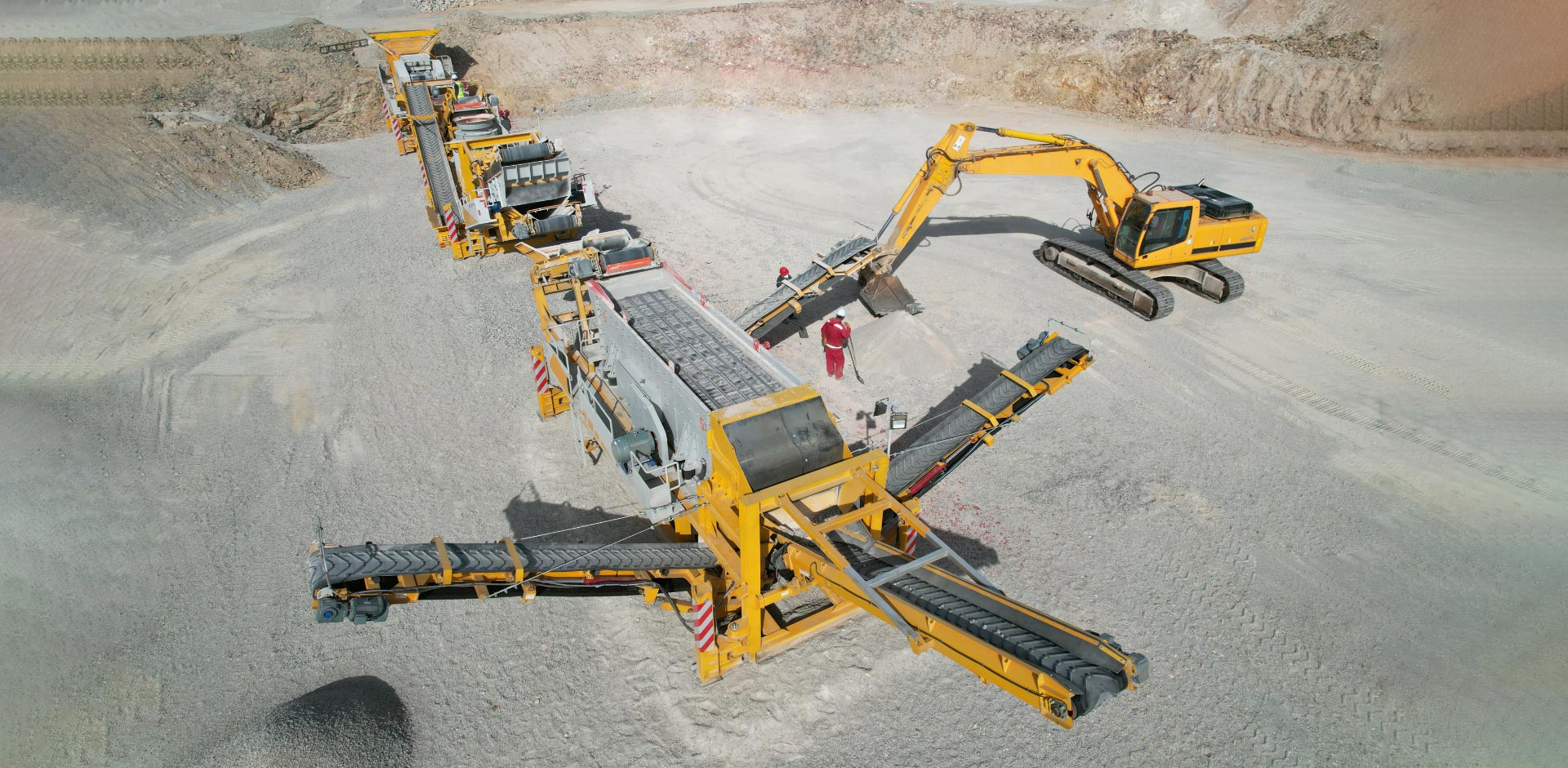
Sand and aggregate are essential materials in construction. They are used to make concrete, asphalt, and road bases. Producing these materials efficiently is important for meeting project demands. Mobile crushers and conveyors have changed how sand and aggregate are produced. They improve efficiency, flexibility, and cost-effectiveness. This blog explains how mobile crushers and conveyors help in sand and aggregate production. We will also discuss aggregate crushers, including the 200t aggregate crusher, and the crushing machine used in the process.
Let’s explore the benefits and functions in detail.
1. The Role of Sand and Aggregate in Construction
Sand and aggregate are the backbone of most construction projects. They provide strength and stability to concrete and asphalt. These materials are used in foundations, roads, and buildings.
Producing high-quality sand and aggregate is vital. The right size and shape improve material performance. Efficient production also reduces delays and costs on job sites.
Sand and aggregate come from crushing rocks like limestone, granite, and river stones. The process involves several stages, including crushing, screening, and sometimes washing.
2. What Are Mobile Crushers?
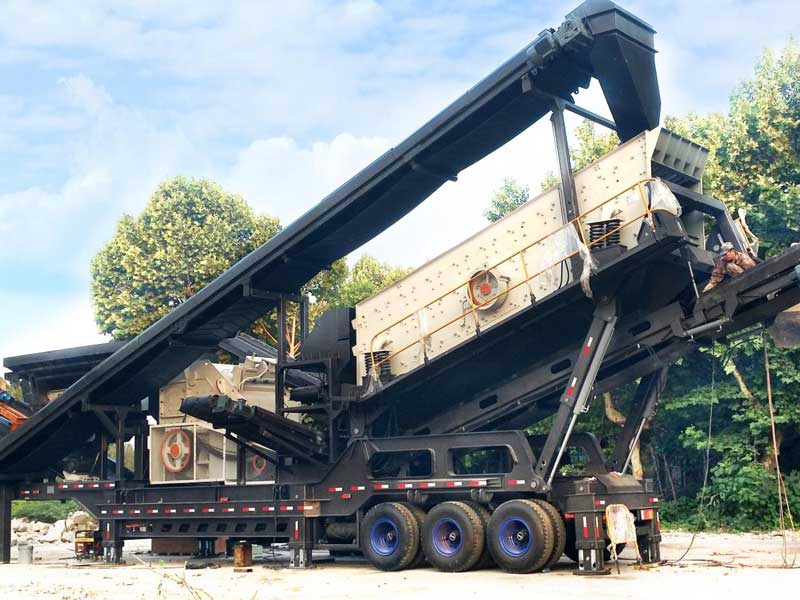
Mobile crushers are crushing machines mounted on wheels or tracks. They can be moved easily between job sites. This makes them very flexible and efficient for crushing operations.
Mobile crushers are used to break rocks into smaller, usable sizes. They are often used in quarries, mining sites, and construction projects. These crushers can handle different types of materials, including hard rock.
There are different types of mobile crushers. Common types include jaw crushers, cone crushers, and impact crushers. Each type is used for a specific stage of the crushing process.
3. Benefits of Using Mobile Crushers
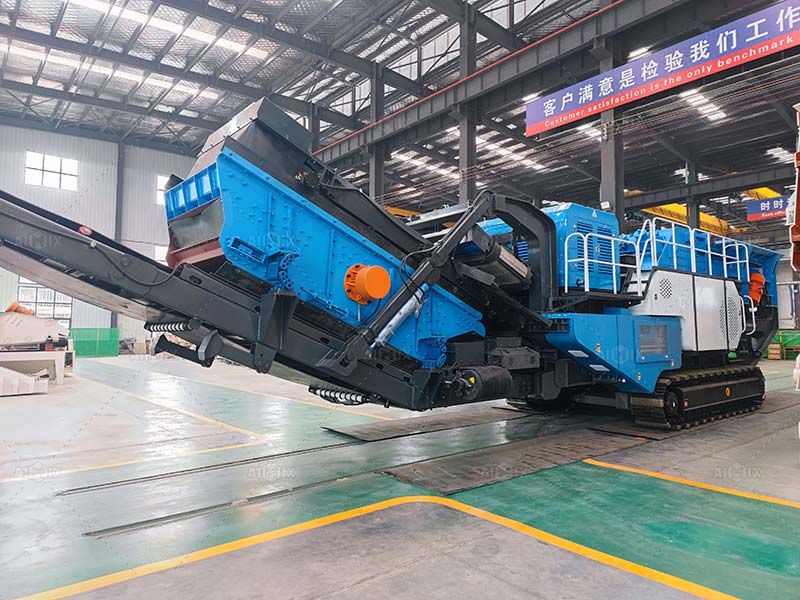
Mobile crushers improve efficiency in sand and aggregate production. They can be set up quickly without much preparation. This reduces downtime and setup costs.
These crushers also allow crushing to happen close to the source. This cuts down on material transport. It saves fuel and reduces environmental impact.
200t aggregate crusher is an example of high-capacity mobile crushers. It can process large amounts of material in a short time. This makes them ideal for big projects with high demand.
4. How Conveyors Support Production
Conveyors work alongside mobile crushers to move crushed material. They transport sand, gravel, and aggregate from one machine to another. This helps streamline the production process.
Using conveyors reduces the need for trucks or manual labor. It makes material handling faster and safer. Conveyors also help sort and direct materials to the right location.
Mobile crushers and conveyors are often combined into one system. This integrated approach improves efficiency and reduces downtime.
5. The Role of Aggregate Crushers
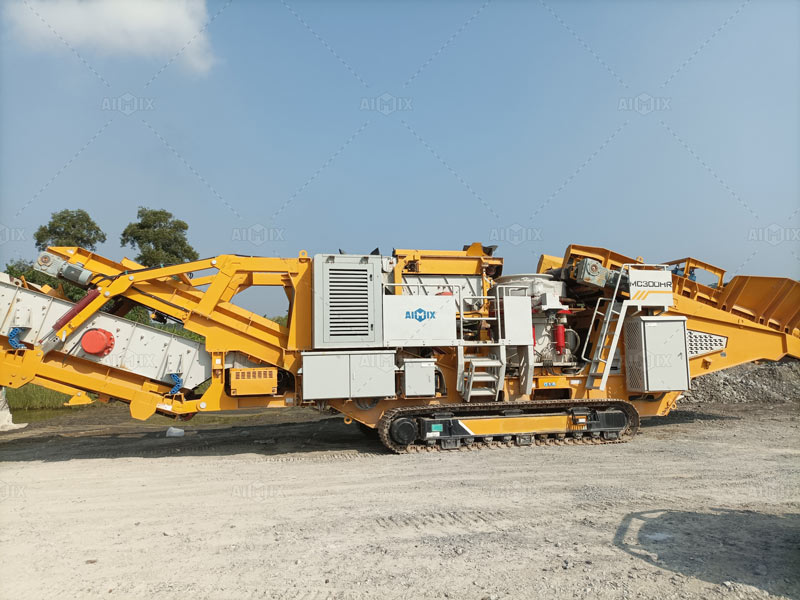
Aggregate crushers are machines designed to produce construction materials. They break rocks into gravel, sand, and other useful sizes. These crushers are essential in producing high-quality aggregates.
The 200t aggregate crusher is built for high-volume production. It can handle large rocks and produce consistent output. This type of crusher is often used in large quarries or mining operations.
Crushing machines, including mobile crushers, ensure the final product meets size and shape requirements. This improves the performance of concrete and asphalt.
6. Conclusion: A More Efficient Production Process
Mobile crushers and conveyors improve sand and aggregate production in many ways. They increase efficiency, reduce costs, and provide flexibility. The 200t aggregate crusher and other crushing machines play a key role in this process.
Using these technologies helps produce high-quality materials on time and on budget. They are valuable tools for modern construction and mining operations.