Rubber Tyred Gantry (RTG) cranes are a cornerstone of modern material handling, particularly in ports, intermodal yards, and industrial facilities. Unlike fixed rail-mounted cranes, RTGs combine mobility with the capacity to lift and transport extremely heavy loads across variable terrains. While these cranes are highly versatile, effectively handling both standard and irregular loads presents unique challenges. This article explores best practices, technical considerations, and operational strategies for managing diverse load types with RTG cranes.
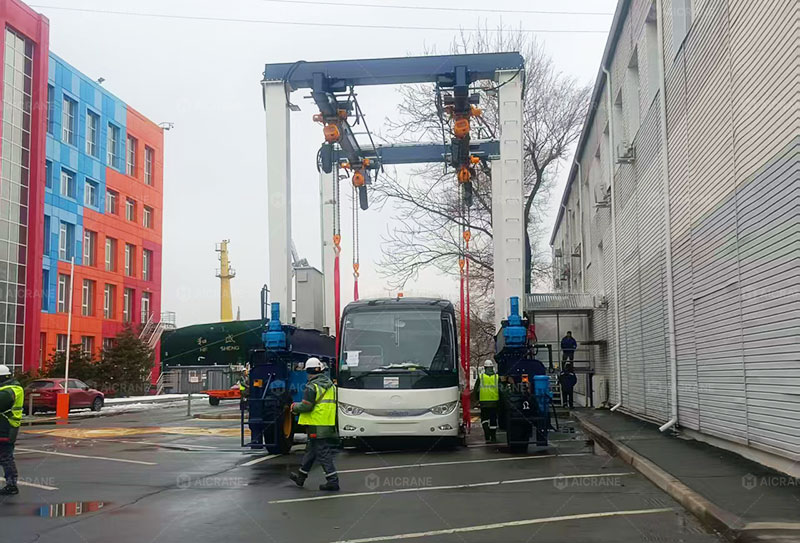
Understanding RTG Cranes
Rubber Tyred Gantry cranes are mobile cranes that run on rubber tires rather than fixed rails. They are designed to straddle large objects, such as shipping containers or heavy industrial materials, providing both lifting and horizontal movement capabilities. Rubber tired gantry cranes typically feature a double or single girder configuration, an electric hoist or spreader mechanism, and sophisticated control systems for operator precision.
The primary advantages of RTG cranes include:
-
Mobility: Ability to move across storage yards without the constraints of rails.
-
Flexibility: Capable of lifting containers, machinery, and oversized loads.
-
Efficiency: Can handle multiple containers or heavy objects in a single operation.
However, the versatility of RTG cranes also means that operators must adapt to handling a wide variety of load shapes and sizes, ranging from standard containers to irregularly shaped industrial components.
Standard Loads
Definition and Characteristics
Standard loads are typically uniform in shape, weight distribution, and size. Examples include:
-
ISO shipping containers
-
Steel coils
-
Palletized goods
These loads have predictable weight centers and uniform geometries, which make them relatively straightforward for RTG wheeled gantry cranes to lift and transport. Standard loads often include attachment points or lifting lugs that facilitate safe crane engagement.

Best Practices for Handling Standard Loads
-
Use Appropriate Spreaders: Most RTG cranes are equipped with spreaders specifically designed for container handling. Ensuring that the spreader locks securely onto the load is critical for safety and efficiency.
-
Check Load Weight and Balance: Even with standard loads, verifying the weight is essential. Most containers or pallets have clearly marked gross weight, allowing the operator to ensure it is within the crane’s rated capacity.
-
Optimize Crane Speed: RTG cranes can safely move standard loads at a moderate speed. Maintaining controlled acceleration and deceleration prevents swinging, which can be minimized due to the predictable nature of the load.
-
Regular Inspections: Routine inspection of the hoist, spreader, and crane tires ensures consistent performance and reduces the risk of accidents when handling standard loads.
Irregular Loads
Definition and Challenges
Irregular loads are non-uniform in shape, weight distribution, or size. Examples include:
-
Large industrial machinery
-
Precast concrete segments
-
Pipes or structural steel components with asymmetrical shapes
These loads often have an unpredictable center of gravity and may lack standardized lifting points, making them more challenging to handle safely. Improper handling of irregular loads can lead to swing, instability, or even structural damage to the crane or the load.
Strategies for Handling Irregular Loads
-
Load Assessment and Planning: Before lifting an irregular load, operators must analyze its shape, weight distribution, and potential points of instability. Engineering teams may need to calculate the center of gravity and determine the best attachment points for slings, chains, or specialized spreaders.
-
Use of Custom Attachments: Unlike standard loads, irregular loads often require custom lifting devices. For example, lifting a cylindrical steel coil may require a cradled sling system to prevent rolling. Similarly, oversized machinery may need multi-point lifting frames to distribute weight evenly.
-
Advanced Control Systems: Modern RTG mobile gantry crane for sale can be equipped with anti-sway technology, automated load positioning, and remote monitoring systems. These tools allow operators to precisely maneuver irregular loads while minimizing risks of collision or imbalance.
-
Operator Training: Handling irregular loads demands highly skilled operators. Training should focus on understanding load dynamics, using specialized attachments, and applying precise movements to prevent swinging or tilting.
-
Communication and Coordination: For particularly large or awkward loads, multiple operators or spotters may be required. Clear communication ensures that the load is lifted and positioned safely without accidents.
Safety Considerations
Regardless of load type, safety is paramount when operating RTG cranes. Key safety measures include:
-
Load Limits: Never exceed the crane’s rated capacity. Irregular loads can be deceptive in weight, so accurate assessment is essential.
-
Pre-Lift Inspections: Verify that all attachments, slings, and spreaders are in good condition. Inspect tires and crane structure for any signs of wear or damage.
-
Environmental Awareness: RTG cranes are often operated outdoors. Wind, rain, or uneven ground can affect load stability, particularly for irregular items.
-
Emergency Protocols: Operators should be trained to respond to load swings, dropped objects, or mechanical malfunctions.
Operational Efficiency Tips
Handling diverse loads efficiently requires careful planning and execution:
-
Load Sequencing: Arrange the workflow so standard loads are moved first, followed by irregular items requiring special attention.
-
Use Yard Layouts Wisely: Position irregular loads close to pick-up and drop-off points to minimize gantry crane travel distance.
-
Maintenance Scheduling: Regular preventive maintenance ensures that both the mobility and lifting systems of the RTG crane remain reliable under varied load conditions.
-
Technology Integration: Employ digital load monitoring systems to track weight, balance, and movement in real-time, reducing the risk of accidents and improving productivity.
Conclusion
Rubber Tyred Gantry cranes are versatile and essential for modern material handling, capable of moving both standard and irregular loads. While standard loads are relatively straightforward due to their uniformity, irregular loads demand careful planning, specialized attachments, skilled operators, and advanced safety measures. By understanding the differences between these load types and applying best practices, operators can maximize both safety and efficiency, ensuring that RTG cranes continue to serve as reliable assets in ports, industrial yards, and construction sites.
Effective handling of both load types not only safeguards personnel and equipment but also optimizes operational efficiency, reduces downtime, and extends the lifespan of the crane. As technology advances, features like anti-sway control, digital monitoring, and automation are making the management of complex and irregular loads safer and more predictable, cementing RTG cranes as a critical component of modern industrial logistics.