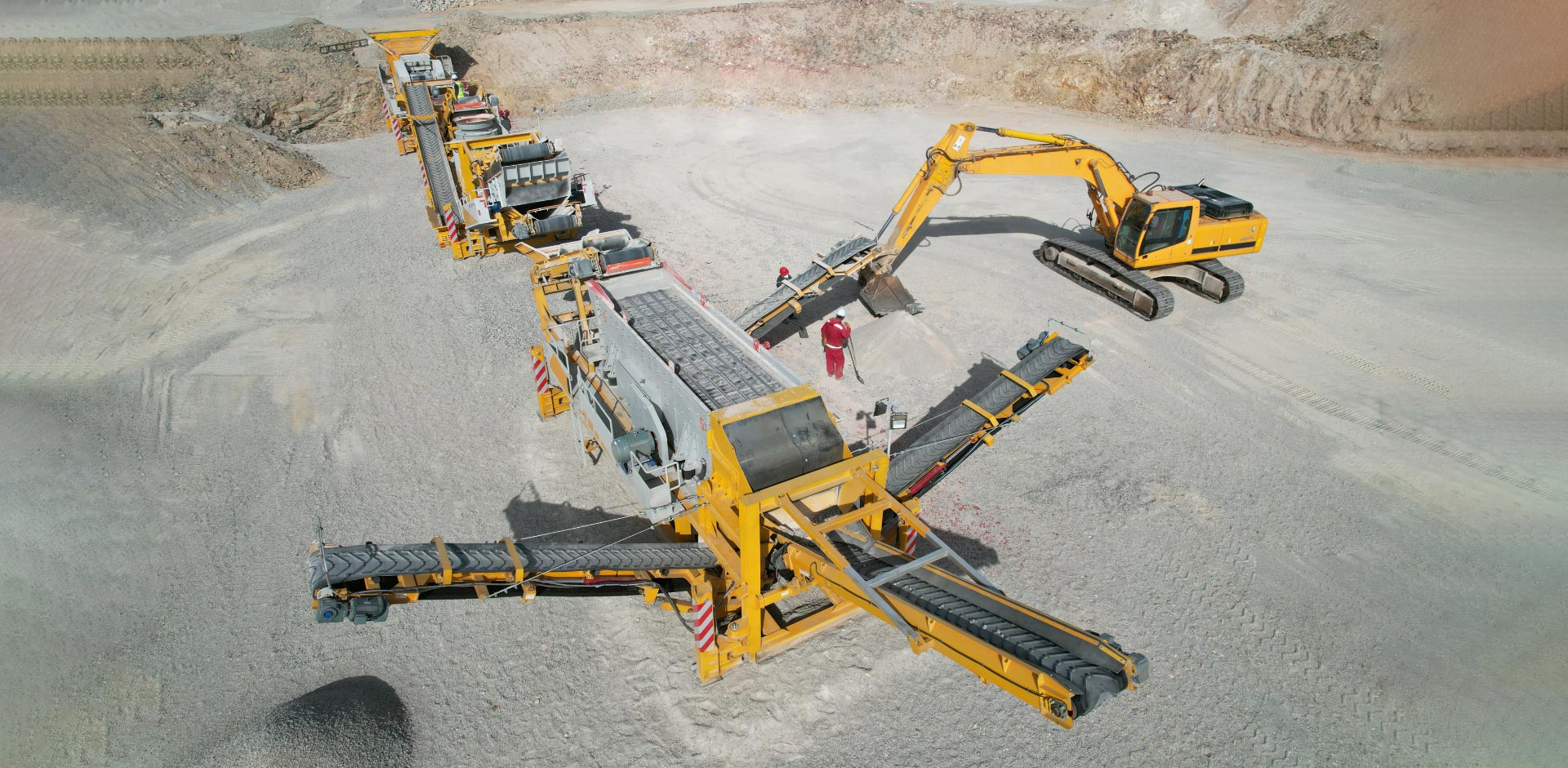
The procurement of a rock crusher invariably presents a fundamental financial quandary. The market exhibits a broad spectrum of pricing for ostensibly similar machinery, a variance that can confound even seasoned buyers. This discrepancy is not arbitrary but is the direct economic manifestation of deliberate engineering choices, material selections, and integrated functionalities. A rudimentary crusher and a technologically advanced unit may perform the same core task of size reduction, but their operational outcomes, longevity, and total cost of ownership diverge profoundly. To navigate this dilemma effectively, one must deconstruct the stone crusher machine price tag, examining how specific features and enhanced specifications—from foundational metallurgy to sophisticated automation—escalate initial capital outlay while simultaneously altering long-term economic calculus. A comprehensive understanding of these cost drivers is essential for aligning investment with both immediate budgetary constraints and strategic operational objectives.
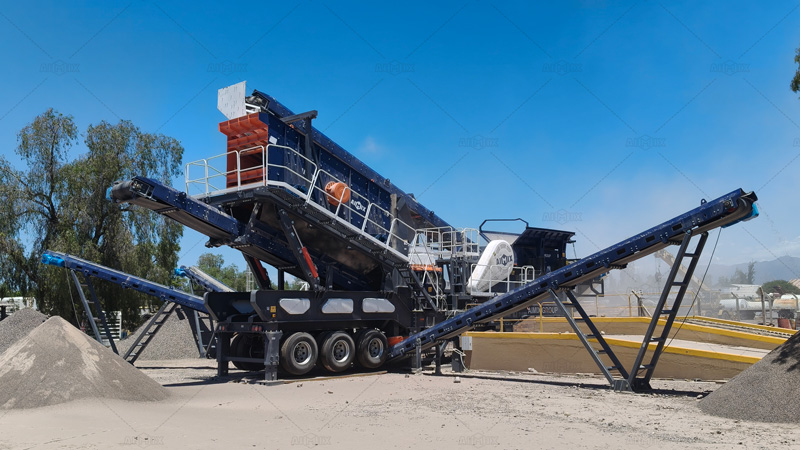
Foundational Engineering and Material Specifications
The bedrock of any crusher’s cost is its fundamental construction. Decisions made at the material and design level have a permanent and profound impact on durability, performance, and price. These are not superficial differences but are integral to the machine’s ability to withstand the immense cyclical stresses of comminution.
Metallurgical Composition and Wear Component Design
The choice of steel alloys for critical components represents a primary cost differentiator. High-grade, abrasion-resistant manganese steel or proprietary alloys for jaw plates, concaves, mantles, and blow bars command a significant premium over standard-grade materials. This investment directly translates to extended service life, reduced frequency of change-outs, and lower cost-per-ton in consumables. Furthermore, the engineering of these components—their geometry, thickness, and casting quality—affects both crushing efficiency and longevity. A premium rock crusher for sale will feature wear parts designed not only for durability but also to optimize particle shape and throughput, a value that is embedded in its higher initial cost.
Structural Integrity and Bearing/Shaft Assembly
The crusher’s frame and core drivetrain are where robustness is paramount. A heavy-duty, welded frame constructed from high-tensile steel provides the necessary rigidity to maintain precise alignment of crushing chambers under load, preventing premature wear and failure. Similarly, the quality and size of the main shaft and its supporting bearings are critical. Larger, forged alloy shafts and premium, sealed bearing assemblies (from manufacturers like SKF or Timken) are substantially more expensive than their generic counterparts. This investment ensures reliable power transmission, reduces the risk of catastrophic failure, and minimizes maintenance downtime, directly justifying a higher purchase price through enhanced operational reliability.
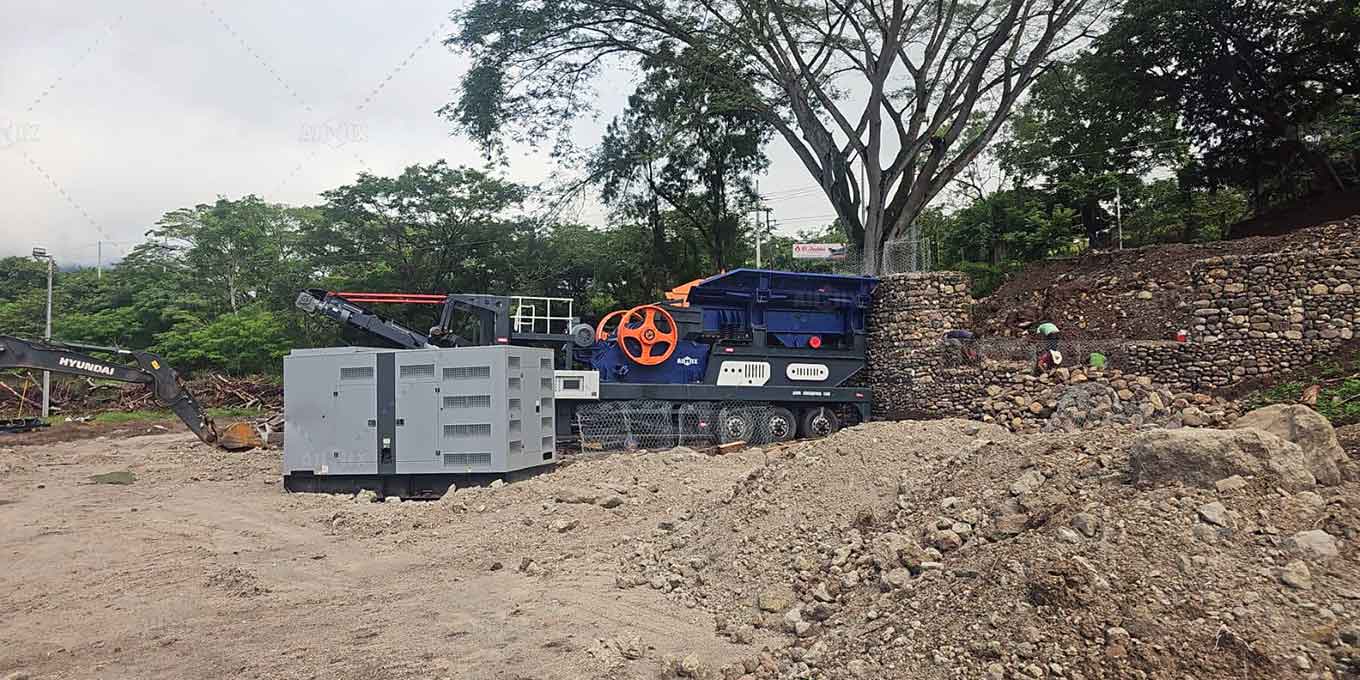
Integrated Technological Features and Automation
Beyond brute-force mechanics, modern crushers incorporate layers of technology that transform them from simple machines into intelligent production systems. Each layer of automation and control represents a discrete area of research, development, and manufacturing cost that is passed on to the buyer.
Advanced Chamber Control and Setting Adjustment
A basic crusher may offer manual adjustment of the closed-side setting (CSS), a process requiring downtime and physical effort. A premium model integrates fully hydraulic setting adjustment systems. These allow the operator to modify the CSS on-the-fly from a remote control station, optimizing product size in real-time for different materials without halting production. Some advanced systems, like automatic overload protection (ASRi in cone crushers), use sensors and algorithms to regulate the rock crusher‘s operation dynamically, protecting it from tramp metal or feed surges. This sophisticated electromechanical integration is a major contributor to elevated costs but delivers measurable gains in product consistency, safety, and overall plant efficiency.
Comprehensive Monitoring and Telemetry Systems
The incorporation of Industrial Internet of Things (IIoT) sensors and telemetry represents the cutting edge of crusher technology. These systems monitor a multitude of parameters in real-time: power draw, pressure, temperature, vibration, and bearing condition. The data is not merely displayed; it is analyzed to provide predictive maintenance alerts, performance optimization suggestions, and detailed production reports. This capability requires embedded computing hardware, proprietary software, and secure data transmission infrastructure. The value proposition is a shift from reactive to proactive maintenance and data-driven decision-making, justifying its cost through drastically reduced unplanned downtime and optimized consumable usage.
Configurational Complexity and Ancillary System Integration
The final cost layer is defined by the crusher’s intended application and the degree to which it is sold as a complete, integrated system rather than a standalone unit. Customization and holistic system design add considerable value and expense.
Mobility Platform and Power Train Configuration
A stationary skid-mounted aggregate crusher has a fundamentally different cost structure than a track-mounted mobile plant. The latter incorporates a complex undercarriage with tracks, hydraulic drive motors, and a centralized lubrication system. The power train itself is a major variable. A basic diesel-mechanical drive is less costly than a diesel-electric system or a hybrid configuration designed for fuel efficiency. The choice of engine—meeting specific emission tiers like Tier 4 Final—also carries a substantial cost impact due to the required exhaust after-treatment technology. Each step towards greater mobility, environmental compliance, and energy efficiency adds a calculable increment to the base price.
Pre- and Post-Crushing Integration and System Synergy
Crushers are increasingly sold as the centerpiece of a pre-designed material processing flow. A price may include an integrated vibrating grizzly feeder with robust scalping capabilities, a primary conveyor with metal detection and automatic rejection, or even an attached post-crushing screening deck. This level of integration ensures optimal compatibility between components, reducing bottlenecks and installation time. However, it requires extensive engineering to ensure synchronized operation and represents a bundled value that far exceeds the sum of individual parts. Purchasing such a system eliminates interface risk and accelerates time-to-production, factors for which a premium is logically charged. Therefore, the price tag dilemma resolves not by seeking the lowest number, but by performing a forensic evaluation of the specifications and features embedded within it, weighing their cumulative contribution to productivity, resilience, and total operational cost against the immediate financial commitment.